The American Medical Association (AMA) has approved two new category I current procedural terminology (CPT) codes describing renal denervation.
Category I CPT codes are permanent codes assigned to procedures the AMA has determined are well established, widely performed by physicians across the USA, and supported by robust clinical evidence, in addition to other criteria identified in the application process.
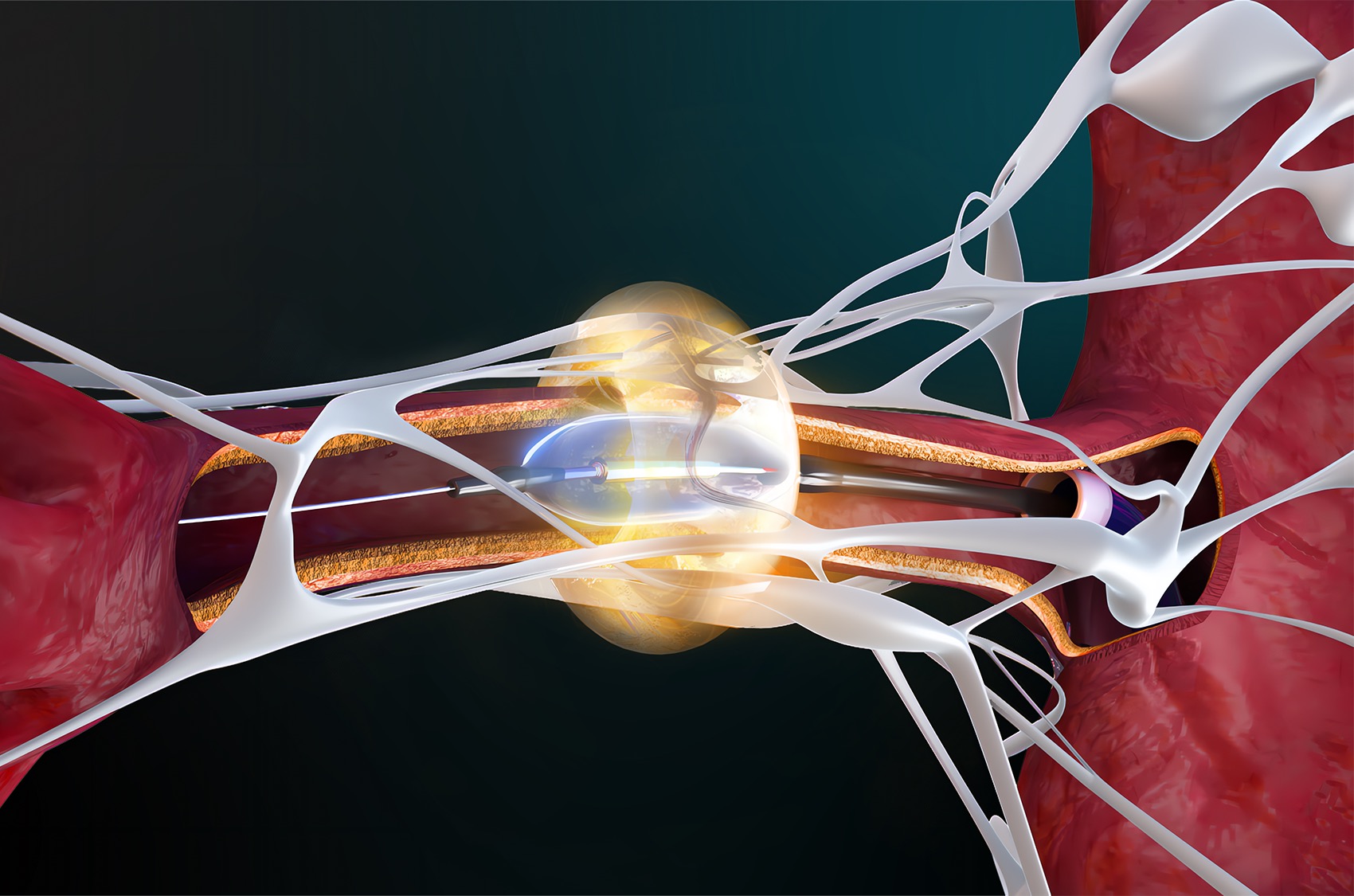
The new codes, 37X47 and 37X48, describe percutaneous transcatheter renal sympathetic denervation procedures and are expected to become effective January 1, 2028. Final code numbers and descriptors will be published by the AMA in advance of implementation.
Medtronic and Recor Medical, both of which produce renal denervation devices used to treat high blood pressure, have welcomed the decision in press releases. Medtronic’s Symplicity Spyral radiofrequency system was approved by the US Food and Drug Administration (FDA) in November 2023, with Recor’s Paradise ultrasound renal denervation system gaining approval the same month.
According to Recor Medical the CPT Editorial Panel’s decision represents an important step in establishing a standardised coding pathway for physicians performing renal denervation in patients with treatment-resistant hypertension.
Compared to category III CPT codes, intended to be temporary tracking codes, category I CPT codes provide a standardised mechanism for reporting medical procedures and services.
“Standardised category I CPT coding will support the integration of renal denervation into clinical practice by enabling consistent procedural reporting and creating a pathway for physician payment,” said Tai Kobayashi, associate professor of clinical medicine, Penn Medicine (Philadelphia, USA).
“Too many people continue to live with uncontrolled hypertension despite the therapies available today, leaving them at increased risk for serious cardiovascular consequences,” said Helen Reeve-Stoffer, CEO of Recor Medical. “Ultrasound renal denervation gives physicians another way to address this persistent challenge, and this coding milestone represents meaningful progress toward making the therapy a more established part of hypertension care.”
“These category I approvals reflect the robust clinical evidence and physician adoption for innovative solutions addressing critical gaps in care and unmet patient needs,” said Lindsay Bockstedt, vice president of health economics, policy, and reimbursement at Medtronic. “The decision by AMA represents meaningful progress in the reimbursement pathway for these technologies, as Medtronic remains committed to reducing barriers to broader adoption and patient access. We’re grateful to the stakeholders and clinical community whose work made this possible.”