
 The top stories from the kidney care and vascular access field throughout 2025.
- Sirolimus implant fails to meet fistula maturation endpoint in ACCESS 2 trial
Results of the ACCESS 2 study evaluating arteriovenous fistula (AVF) outcomes following use of the Sirogen (Vascular Therapies) sirolimus-eluting collagen implant were presented at the 2025 Charing Cross (CX) symposium (23–25 April, London, UK), showing that the device failed to meet non-inferiority for clinical fistula maturation compared to control at six months.
– - “Robust” patency seen at six months in FLEX First AV registry
Six-month outcomes of the FLEX First arteriovenous (AV) registry, assessing the safety and efficacy of the Flex vessel prep (VP) system (VentureMed) in combination with standard percutaneous transluminal angioplasty (PTA) for haemodialysis access dysfunction, have demonstrated a 70% overall rate of target lesion primary patency, with no serious adverse events in the short term.
– - Tipping the scales with less weight: Why RCTs can be overly burdensome for de novo dialysis access devices
In an invited commentary for Renal Interventions, Ellen Dillavou (WakeMed Heart Center, Raleigh, USA) questioned whether the high bar for evidence being sought to bring new de novo devices to market is stifling innovation in the field of vascular access.
– - Spironolactone fails to lower cardiovascular risk in dialysis patients
Results of a large international study, published in The Lancet, demonstrated that spironolactone, a medication for high blood pressure and heart failure, does not reduce the risk of heart-related death or hospitalisations in people with kidney failure receiving dialysis, despite earlier smaller studies suggesting benefit.
– - Profile: Monnie Wasse

Haimanot (Monnie) Wasse, the Muehrcke Family Professor of Nephrology and Interim Chair of the Department of Internal Medicine at Rush University (Chicago, USA) and the first woman to hold the presidency of the American Society of Diagnostic and Interventional Nephrology (ASDIN) spoke to Renal Interventions about her early steps in the field of interventional nephrology and offers her advice to physicians entering the field today.
– - ATEV shows promise in high-risk patients on haemodialysis
Results from the CLN-PRO-V007 pivotal phase 3 clinical trial of the acellular tissue engineered vessel (ATEV; Humacyte) in arteriovenous access for patients at high risk of autologous arteriovenous fistula (AVF) maturation failure with end-stage renal disease were presented at the Society for Vascular Surgery (SVS) Vascular Annual Meeting (VAM 2025; 4–7 June, New Orleans, USA).
– - WAVE trial update reports sustained 12-month survival benefit
Twelve-month results from the WRAPSODY Arteriovenous Access Efficacy (WAVE) pivotal trial show a statistically significant improvement in target lesion primary patency (TLPP) with the Wrapsody (Merit Medical) cell-impermeable endoprosthesis (CIE) when compared to percutaneous transluminal angioplasty (PTA).
– - Advancing AV fistula training: From first stitch to functional flow
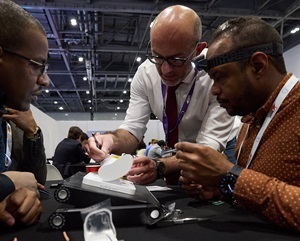
Balazs Gasz, consultant cardiac surgeon at Zala County Hospital (Zalaegerszeg, Hungary) reports on the Surgical Arteriovenous (AV) Anastomosis Workshop taking place at the 2025 Charing Cross (CX) symposium (23–25 April, London, UK), which offered a personalised masterclass in the tips and tricks of vascular access and was also meaningful for those performing their first arteriovenous fistula (AVF) anastomosis.
– - Mechanical thrombectomy system for AV access shows promise, study shows
A retrospective analysis of 64 patients treated between 2022 and 2025 using a novel mechanical thrombectomy system to treat dialysis access thrombus showed function was restored in 91% of those treated.
– - Interim results of covered stent-graft hint at “new avenue” in dialysis access treatment
The interim results of a first-in-human trial of a sirolimus-eluting covered stent graft—Solaris DE (Solaris Endovascular)—for the treatment of dialysis access dysfunction demonstrate the promise of the device in treating vascular access outflow stenosis, an investigator in the trial has commented.