
Flex Vascular has announced the presentation of 12-month results from the FLEX FIRST AV registry, a prospective, multicentre, real-world study evaluating the Flex vessel prep system in patients with dysfunctional haemodialysis access. The data were presented at the Charing Cross (CX) Symposium (21–23 April, London, UK) by Ari Kramer (Spartanburg Regional Medical Center, Spartanburg, USA).
The study enrolled 130 patients across four US centres, representing a diverse, high-risk population reflective of real-world clinical practice. The results demonstrated safety, durability, and performance across complex lesion types—supporting Flex vessel prep system as a differentiated mechanical vessel preparation strategy, Flex Vascular said in a press release.
Key 12-month findings demonstrated 0% serious adverse events (SAEs) at 30 days, with only a single minor complication (0.8%); 40% target lesion primary patency (TLPP) at 12 months in cephalic arch lesions, nearly doubling historical percutaneous transluminal angioplasty (PTA) benchmarks; 100% secondary patency in AV grafts at 12 months, with no access abandonment, resulting in the elimination of one intervention per patient per year (on average) when FLEX is used with PTA.
“These results suggest a meaningful shift in how we approach AV access interventions,” said Kramer, “In a real-world population, we are seeing strong safety, fewer reinterventions, and encouraging durability—even in challenging lesions like the cephalic arch.”
The registry population included patients with significant comorbidities, including 64.6% with diabetes, 95.4% with hypertension. The patient population included 60% African American patients which reflects a broad application of the findings to everyday practice.
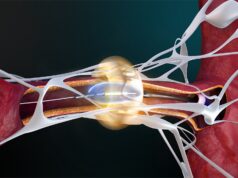
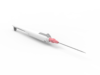
The FLEX vessel prep system utilises Kinetic Endovascular Micro-Incision Creation (KEMIC), a mechanical, no-drug, no-implant approach designed to optimise vessel compliance prior to standard angioplasty.
“Taken together, these findings support a new care paradigm in access intervention—one defined by improved safety, reduced reinterventions, and durable outcomes without added complexity,” said Jordan Knepper, chief medical officer, Flex Vascular.