 Results from a new study demonstrate patients with kidney failure can safely undergo peritoneal dialysis (PD) catheter placement in an office-based laboratory (OBL) with fewer risks and reduced healthcare costs. The findings were presented at the Society for Vascular Surgery’s (SVS) Vascular Annual Meeting (VAM; 10–13 June, Boston, USA).
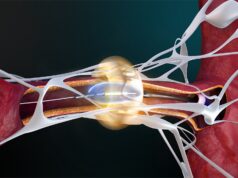
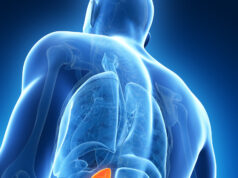
PD is typically performed in the operating room by a full surgical team, including general anaesthesia. It uses the abdominal lining to filter the blood through a catheter placed laparoscopically, a minimally invasive procedure using small incisions and camera-guided instruments. This allows patients to continue dialysis at home. However, a newer technique allows for percutaneous office-based insertion.
Researchers sought to evaluate the potential of PD catheter placement across five OBLs. Patients were stratified by age, sex, body mass index (BMI), presence of end-stage kidney disease, prior abdominal surgery, and antiplatelet or anticoagulant medication use.
Procedural information was also measured, including technical success, procedure time, and fluoroscopy time, which measured the total duration of continuous X-ray imaging used in the procedure. The primary endpoint was peritonitis, an infection of the abdominal lining.
The study measured the total catheter days, measuring how long the catheter remained in use. The analysis also compared Medicare reimbursement rates for laparoscopic procedures performed in hospital outpatient settings (US$6,175.29) and office reimbursement (US$913.79) to estimate potential healthcare system savings.
The study enrolled 65 patients for PD catheter insertion in an office setting. The mean patient age was 62.2 years, with 63.1% male participants and a mean BMI of 27.4. At the time of catheter insertion, 61.5% of patients were already on dialysis, with a mean of 0.41 prior to abdominal surgeries per patient. Procedural technical success was 98.5%, with a mean procedure time of 57.8 minutes. The mean fluoroscopy time was 2.5 minutes, and the mean contrast dose was 5.5 mL. Three procedures (4.6%) resulted in haematomas—blood that pools outside of a blood vessel—that did not require intervention.
Subsequent catheter infection developed in 10.8% of cases between 23 and 525 days of post-implantation. The International Society for Peritoneal Dialysis recommends that peritonitis and catheter infection rates remain below 0.4 infections per catheter year. Researchers observed seven episodes of peritonitis over 80.39 catheter-years, resulting in a rate of 0.09 episodes per patient-year, below the accepted rate of 0.40 episodes per patient-year (p<.00001).
“Having a care team that stays with patients throughout the entire procedure is something that patients truly value. Many patients face long hours of waiting, and the burden of traveling to dialysis centres three times a week can be physically and emotionally challenging,” said Edward Arous (UMass Chan Medical School, Worcester, USA). “Performing peritoneal dialysis catheter placement in office-based settings allows for more streamlined and timely care. It also reduces the healthcare costs that many patients and hospitals face, lowers infection risks, and helps relieve the burden on crowded operating rooms by avoiding the need for a full surgical team. The Center for Medicare and Medicaid Services (CMS) should address the reimbursement discrepancy between outpatient and hospital-based insertion to promote payment equity and support the long-term solvency of outpatient laboratories.”